
Vitamin D Deficiency: Causes, Impact and Treatment
Learn why vitamin D matters, the signs and causes of deficiency, and the simple ways to boost your levels safely.


In this article
As a healthcare professional, I am often asked about simple yet powerful ways to improve overall health. Today I want to highlight a vital nutrient that plays a significant role in our wellbeing: vitamin D.
Known as the “sunshine vitamin”, vitamin D is unique because our bodies can produce it when exposed to sunlight. Even so, many people worldwide are deficient in this essential nutrient.
As a doctor, I have seen the impact of vitamin D deficiency first hand, and it is time we recognised its significance. This guide covers the benefits, the warning signs and how to raise your levels.
Short answer: vitamin D keeps bones, muscles, immunity and mood healthy. If you are tired, achy or rarely in the sun, ask your doctor for a blood test, then correct low levels with safe sun exposure, vitamin D rich foods and, when needed, supplements.
The Sunshine Vitamin: Why Vitamin D Matters
Vitamin D is unique among vitamins because our bodies can produce it when the skin is exposed to sunlight. It then works like a hormone, helping the body absorb calcium and regulate the immune system.
Despite its importance, a large number of people worldwide are deficient in it, and many do not realise until symptoms appear.
Health Benefits of Vitamin D
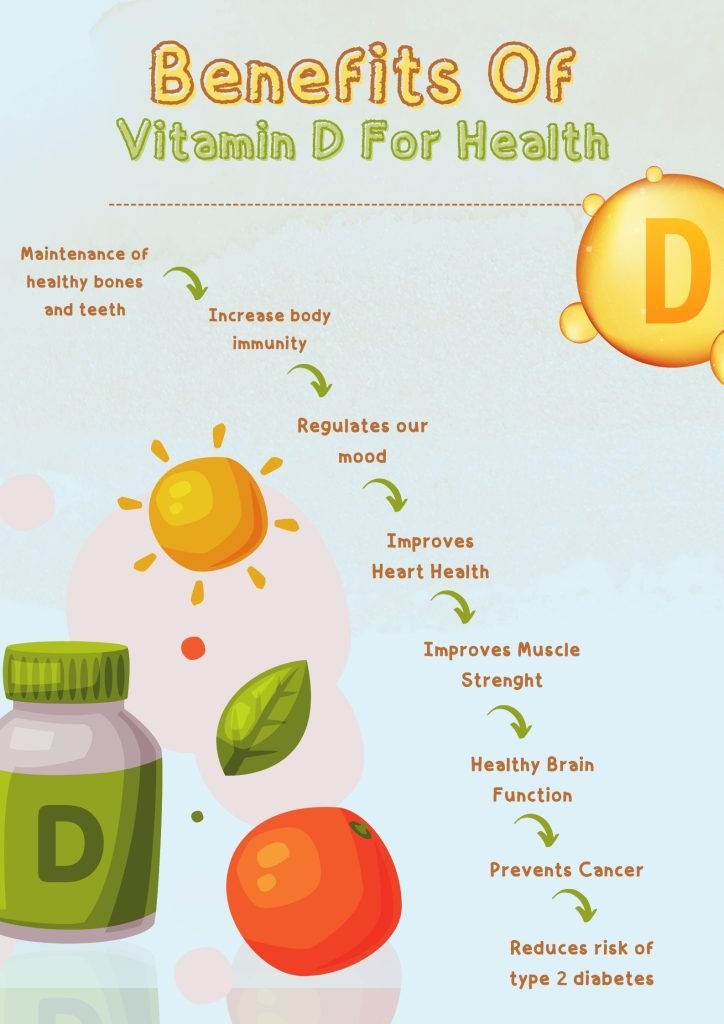
Vitamin D supports several systems in the body. Here are the benefits that research and clinical experience link to healthy levels.
Vitamin D Benefits at a Glance
Benefit
How Vitamin D Helps
Bone health
Vital for calcium absorption, which builds strong, healthy bones. Low levels can lead to conditions such as osteoporosis.
Immune support
Research suggests it plays a key role in supporting the immune system and helping the body defend itself against infections.
Mood regulation
Growing evidence links adequate levels with a lower risk of depression and improved mood.
Heart health
Some studies suggest optimal levels may support cardiovascular health by reducing the risk of heart disease.
Some studies suggest that keeping vitamin D at an optimal level may also contribute to cardiovascular health, although more research is still needed.
Vitamin D Deficiency: Causes and Signs
Many people remain unaware of their vitamin D status until symptoms arise. The signs below can also have other causes, so they are a reason to get checked rather than a diagnosis.
Common Signs of Vitamin D Deficiency
Fatigue that does not improve with rest.
Muscle weakness or a feeling that your muscles tire easily.
Bone pain, because low vitamin D reduces calcium absorption.
A weakened immune system, with more frequent infections.
Deficiency is usually linked to limited sun exposure, which depends on skin type, location and time of day, and to a diet that contains few vitamin D rich foods. A doctor can check whether other factors are involved.
Even in sunny places such as the UAE, people who spend most of their day indoors or avoid the midday heat can still run low.
Feeling tired or achy?
Book a vitamin D check at House of Nature Medical Center in Abu Dhabi.
Ways to Boost Vitamin D Levels
There are three main ways to raise your vitamin D levels, and many people use a combination of them.
How to Raise Your Vitamin D Level
Method
What to Do
Good to Know
Sun exposure
Aim for 10 to 30 minutes of sunlight a few times a week
Depends on skin type, location and time of day
Dietary sources
Eat fatty fish (salmon, mackerel), fortified dairy products and egg yolks
Include these foods regularly in your meals
Supplements
Take supplements prescribed by your doctor
Used for deficiency or limited sunlight exposure
Your doctor can tell you which approach suits you, based on your blood test results, lifestyle and the amount of sunlight you get.

A Note on Safety
Too much vitamin D can be harmful, so do not start high-dose supplements without medical advice. See a doctor if you have persistent bone pain, muscle weakness or ongoing fatigue.
Identifying Vitamin D Deficiency with a Blood Test
Regular check-ups and a simple blood test can help monitor your vitamin D level and address any deficiency early.
If your level is low, your doctor will recommend a plan that may combine safe sun exposure, diet changes and supplements, then recheck your level to make sure it is improving.
Closing Thoughts
As we navigate the complexities of modern life, it is crucial to prioritise our health. Vitamin D is often overlooked, yet it can have a profound impact on overall wellbeing.
Let’s spread awareness and encourage regular check-ups, so we all maintain the right balance of this essential nutrient. Book a general medicine consultation to check your vitamin D level.
Frequently Asked Questions
Why is vitamin D called the sunshine vitamin?
Vitamin D is a nutrient your body makes when your skin is exposed to sunlight, which is why it is called the “sunshine vitamin”. It supports calcium absorption, bone health, the immune system and mood.
How much sun do I need for vitamin D?
Aim for about 10 to 30 minutes of sunlight a few times a week. The right amount depends on your skin type, where you live and the time of day.
Which foods are rich in vitamin D?
Fatty fish such as salmon and mackerel, fortified dairy products and egg yolks are good dietary sources of vitamin D.
What are the symptoms of vitamin D deficiency?
Common signs include fatigue, muscle weakness, bone pain and a weakened immune system. A blood test is the only reliable way to confirm a deficiency.
Can vitamin D affect my mood?
A growing body of evidence links adequate vitamin D levels with a lower risk of depression and improved mood. It supports mental wellbeing but is not a replacement for professional care.
Do I need vitamin D supplements?
Supplements can be prescribed for people who are deficient or get limited sunlight. Ask your doctor for a blood test first, and avoid taking high doses without advice.
This article is for general information. It does not replace medical advice, and it is not a diagnosis.

Dr. Arshia Shaikh
House of Nature Medical Center, Abu Dhabi
Written for House of Nature Medical Center in Abu Dhabi. Meet the doctors who can help you with your health goals.
Related articles
More reading from our doctors.
Book Your Consultation
Tell us how we can help and our team will call you back to arrange your appointment.
✓ DOH-licensed doctors
✓ Personalised treatment plans
✓ Call us: 02 585 7580