مركز بيت الطبيعة الطبي ذ.م.م.

Is Hijama Safe?

Understanding Medical Hijama in Abu Dhabi
House of Nature Medical Center in Abu Dhabi

Considering new treatments that combine ancient techniques and contemporary clinical safety measures in the ever-changing healthcare systems of the UAE, حجامة therapy in Abu Dhabi, also called wet cupping, is a culturally significant practice that has received considerable attention as a medically regulated procedure. As such, residents frequently ask, Is حجامة safe?

The answer is dependent on how one chooses to distinguish between \”traditional\” cupping and a legitimate medical hijama practice. The Department of Health Abu Dhabi (DoH) has some of the most strict regulations and geopraphical considerations in the world concerning the dual practice of medicine and alternative modalities. This document is intended to give a comprehensive overview on the medical cupping safety protocols, benefits, and risks of therapy in the UAE.

What is Hijama? The Medical Perspective

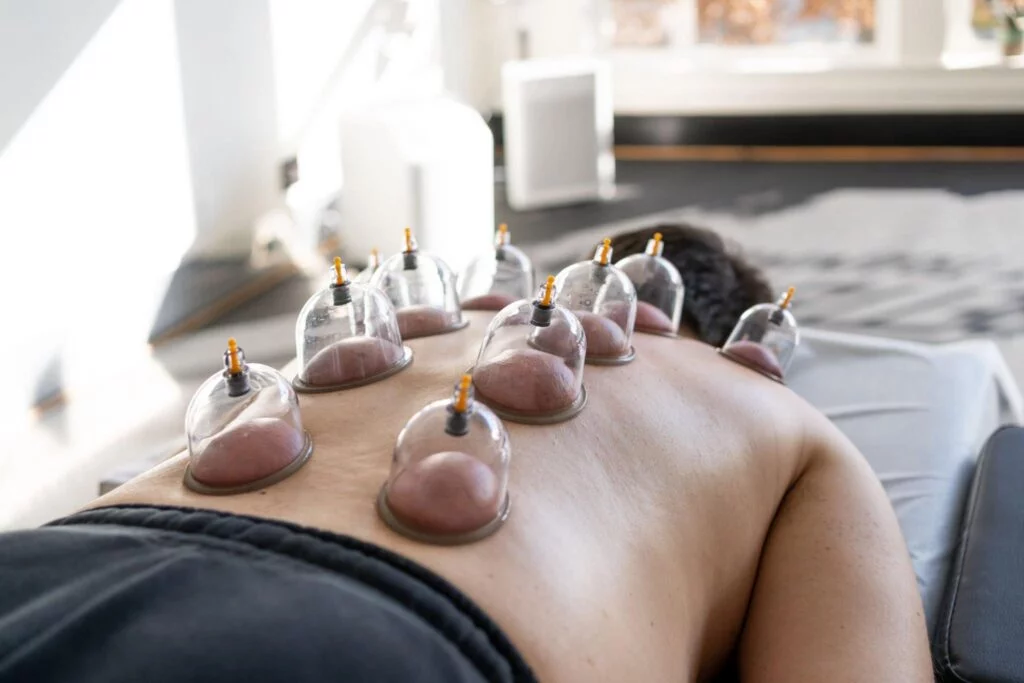
حجامة is one of the therapeutic techniques that is used to create a vacuum on targeted areas of the body with the help of specialized cups. \”Dry cupping\” involves the use of suction to increase blood flow, while in \”wet cupping\” (حجامة) the therapist takes a surgical blade and makes small surface cuts on the epidermal layers of the skin before suction is reapplied.

There are two clinical perspectives:

Mechanical Stimulation. The suction mechanism pulls on the skin and muscles, creating space in the fascia and improving circulation to areas that have poor blood flow. 

Biological Detoxification. During the wet cupping stage, a small volume of ‘capillary blood’ is collected. This type of blood is said to contain a disproportionate amount of metabolic byproducts, inflammation, and senescent (old) red blood cells compared to blood drawn from the venous system. 

The Safety Gold Standard: Why 'Medical' Matters.

The safety of hijama relies heavily on the context and the operator. Historically, cupping has been performed in areas that are not clinical, and thus pose serious risks related to infection and injury. As of 2026, Abu Dhabi’s healthcare regulations stipulate that medical hijama clinics must be operated as surgical centers. 

wet hijama in abu dhabi at house of nature medical center llc

1. Regulation and Licensing

In Abu Dhabi, the DoH regulates practitioners. A licensed hijama therapist is usually a medically trained person (nurse, physician, or physiotherapist) who has completed extra training. This means that they possess a higher level of knowledge regarding human anatomy and are therefore able to avoid placing cups on major blood vessels, nerves, or organs.

2. Sterilization and Infection Control

The most important safety concern regarding wet cupping is to minimize exposure to blood borne pathogens. Single-Use Equipment. Good quality clinics utilize medical grade, disposable cups and surgical blades that are opened in front of the patient and discarded into a biohazard container after use. Aseptic Technique. The skin is disinfected thoroughly before and after the procedure with the use of clinical grade antiseptics. Personal Protective Equipment (PPE). The practitioner wears gloves, a mask, and often protective eyewear to maintain a sterile field.

3. Controlled Incisions

Common worry is that hijama is painful” or that it causes deep scarring. In a medical environment, the “scratches” are very superficial, only deep enough to reach the capillary beds. These incisions usually heal in 3 to 7 days and with the appropriate aftercare instructions, will not leave permanent marks.

Who Can Benefit From Hijama Therapy?

حجامة is an extremely potent therapy for systemic health when performed safely. Residents in the UAE typically seek cupping for a number of important reasons. 

Chronic Pain Management: It is very helpful for lower back pain, neck stiffness and migraine headaches. It relieves discomfort associated with trigger points and local inflammation, frequently longer than the relief associated with a standard massage.

Systemic Detoxification: While performing حجامة, the practitioner removes ‘stagnant’ blood, stimulating the lymphatic system and signaling the body to create fresh, oxygen-rich red blood cells. 

Stress and Mental Clarity: The parasympathetic nervous system is impacted by the suction effect. This helps lower cortisol and facilitates deep relaxation. 

Athletic Recovery: Abu Dhabi has many professional athletes who use suction cupping to decrease muscle soreness and improve performance by removing lactic acid from muscles after intensive workouts.

Contradictions: When is Hijama NOT Safe?

The safety of this procedure also relies heavily on the client’s health status. A medical hijama clinic which tends to their clients will always do an assessment and take a comprehensive health history prior to any procedure. Hijama is usually contraindicated for:

Patients Taking Blood Thinners: Blood Thinners, including aspirin or warfarin, pose a higher risk for bleeding and bruising.

Patients with Bleeding Disorders: conditions such as hemophilia, or those with lower than normal platelet counts.

Anemic Patients: Wet cupping causes a minor blood loss, and this should be avoided by anyone with very low hemoglobin levels until those levels have been restored.

Patients with Skin Conditions: Conditions such as eczema or psoriasis, or those with open wounds at the target sites can be made worse by the use of suction. 

Patients with Acute Illness or Fever: The body’s energy should be focused on fighting the illness and not have added stress from a procedure. 

Pregnancy: Some specialists may provide adjusted protocols using dry cupping; however, wet cupping is typically refrained from during pregnancy, particularly during the first and last third trimesters.

Pregnancy: Some specialists may provide adjusted protocols using dry cupping; however, wet cupping is typically refrained from during pregnancy, particularly during the first and last third trimesters.

The “Sunnah Days” and Clinical Considerations 

For Hijama therapy, patients may want to consider the “Sunnah Days”—17, 19, and 21 of the lunar calendar, which many patients in the UAE prefer for Hijama therapy, although there are not usually therapeutic restrictions associated with Hijama during these dates. Clinics in Abu Dhabi are generally accommodating for these dates, as they provide a blend of spiritual compliance and safety. 

Despite the dates, there are medical considerations to keep in mind regarding Hijama therapy. One of the most important factors is to schedule the therapy for an empty stomach (abstaining from food for 2–3 hours prior to the therapy session) to optimize the blood flow to the extremities and not the digestive system.  

What to Anticipate After Your Treatment 

The “marks” from Hijama are frequently misinterpreted. These marks are not “bruises” in the classic sense and should not be misinterpreted as such. Bruises are generally the result of blunt force trauma, which are usually the polar opposite of what occurs during the cupping therapy (i.e. drawing blood to the surface). 

Time to Heal: These marks generally fade within a week. 

After Care: It is important to keep the area unexercised and dry for the first 24 hours of Hijama therapy and drink enough fluids to help the system transport the collected toxins. 

Conclusion: Your Path to Safe Healing

Is Hijama safe? Absolutely. Assuming it is considered to be more of a medical procedure than a wellness procedure, then yes, it is safe. now, you can use this ancient \\”reset button\\” for your health with total peace of mind. 

The incorporation of cupping therapy into mainstream medicine in the UAE is proof of its effectiveness. The combination of old school wisdom with modern day safety standards provides a powerful avenue of long-term health. 

ابدأ رحلة الشفاء الخاصة بك

At House of Nature, we proudly promote natural healing and carry forward the timeless legacy of Prophetic Medicine. Our specialized Hijama (Cupping Therapy) services in Abu Dhabi are delivered with uncompromised quality, strict hygiene protocols, and professional care. Experience the best Hijama treatment in Abu Dhabi with trusted practitioners who prioritize your health and well‑being.