
How Yoga Therapy Supports Better Posture and Spine Health

House of Nature Medical Center in Abu Dhabi

Maybe it is the ache between your shoulder blades by mid-afternoon. Maybe you catch your reflection and notice you are slouching again, even though you keep telling yourself to sit up straight. Poor posture rarely arrives overnight, and it rarely fixes itself overnight either.

Yoga therapy takes a slower, more targeted approach. Instead of just reminding you to “sit up straight,” it strengthens the muscles that hold you upright, loosens the ones that pull you out of alignment, and retrains your body to find a neutral spine on its own.

This guide explains what yoga therapy is, how it supports better posture and spine health, and how you can begin using it, whether through guided sessions or a few poses at home.

Table of Contents

  1. What Is Yoga Therapy? A Quick Definition
  2. How Poor Posture Affects Your Spine
  3. Core Principles of Yoga Therapy for Spine Health
  4. Yoga Therapy Techniques for Posture and Spine
  5. Yoga Therapy in Daily Life: Simple Practices to Start With
  6. Is Yoga Therapy Backed by Science?
  7. Who Can Benefit From Yoga Therapy?
  8. Frequently Asked Questions

1. What Is Yoga Therapy? A Quick Definition

Yoga therapy is the targeted use of yoga postures, breathing, and movement to address a specific health concern, such as poor posture, back pain, or spine stiffness. Unlike a general yoga class, it is guided by a trained yoga therapist who assesses your body first and builds a plan around your specific imbalances.

Where a fitness class might focus on a full-body workout, yoga therapy asks a narrower question: which muscles are too tight, which are too weak, and what sequence of movement will bring your spine back toward balance.

At House of Nature Medical Center in Abu Dhabi, our yoga therapy sessions begin with a full postural assessment, so every pose you are given has a clear purpose for your body.

2. How Poor Posture Affects Your Spine

Your spine is designed with natural curves that absorb shock and keep your body balanced. Hours of sitting, screen time, and one-sided habits, like always carrying a bag on the same shoulder, gradually pull those curves out of their ideal position.

Over time, this shows up as more than just poor appearance. Rounded shoulders and a forward head can strain your neck and lower back, restrict your breathing, and even affect your energy levels, since a compressed chest makes it harder to take a full, deep breath.

Area Signs of Poor Posture Signs of Good Posture
Neck
Forward head tilt, tension headaches
Neutral head position, less strain
Shoulders
Rounded, hunched forward
Level, relaxed, and open
Lower Back
Stiffness, dull ache after sitting
Comfortable natural curve, less pain
Energy
Tired, sluggish, shallow breathing
Alert, easier and fuller breathing

Table 1: Common signs of poor posture compared with signs of good posture

3. Core Principles of Yoga Therapy for Spine Health

  • Assess before you move. A yoga therapist checks your alignment and imbalances before recommending any pose.
  • Strengthen and stretch together. Posture problems usually involve muscles that are both too tight and too weak, so both need attention.
  • Awareness comes first. Learning to feel a neutral spine is often more valuable than any single pose.
  • Small, consistent movement wins. Short daily practice tends to help posture more than one long session per week.
  • Breath supports alignment. Deep, even breathing helps release the tension that often pulls posture out of place.

4. Yoga Therapy Techniques for Posture and Spine

A yoga therapist draws on a set of targeted poses and movements to rebuild strength, flexibility, and awareness around your spine. Here are some of the most common ones used in practice.

Technique What Happens How It Helps Your Spine
Cat-Cow Stretch
Gentle spinal flexion and extension on hands and knees
Warms up the spine and improves flexibility
Mountain Pose (Tadasana)
A standing pose that resets your alignment from head to feet
Trains your body to recognise a neutral, upright posture
Cobra Pose (Bhujangasana)
A gentle backbend lying on your stomach
Strengthens the lower back and opens the chest
Seated Spinal Twist
A rotation of the spine while seated
Releases tension and improves spinal mobility
Restorative Yoga
Supported, slow-paced poses held for several minutes
Relaxes tight muscles around the spine and lowers tension

Table 2: Common yoga therapy techniques used to support posture and spine health
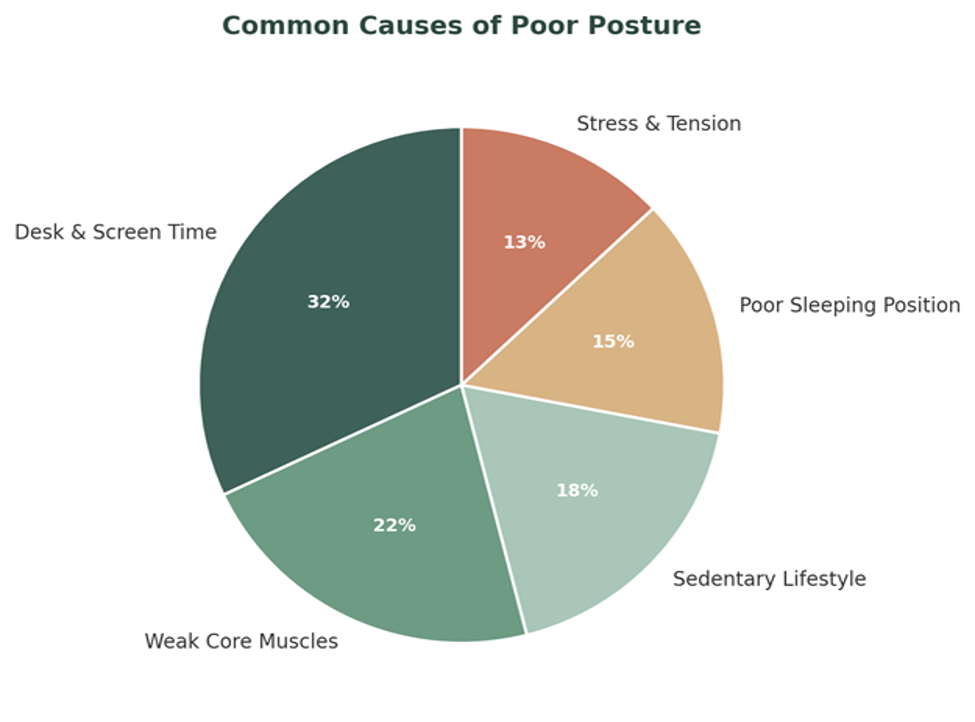
Common everyday causes behind poor posture
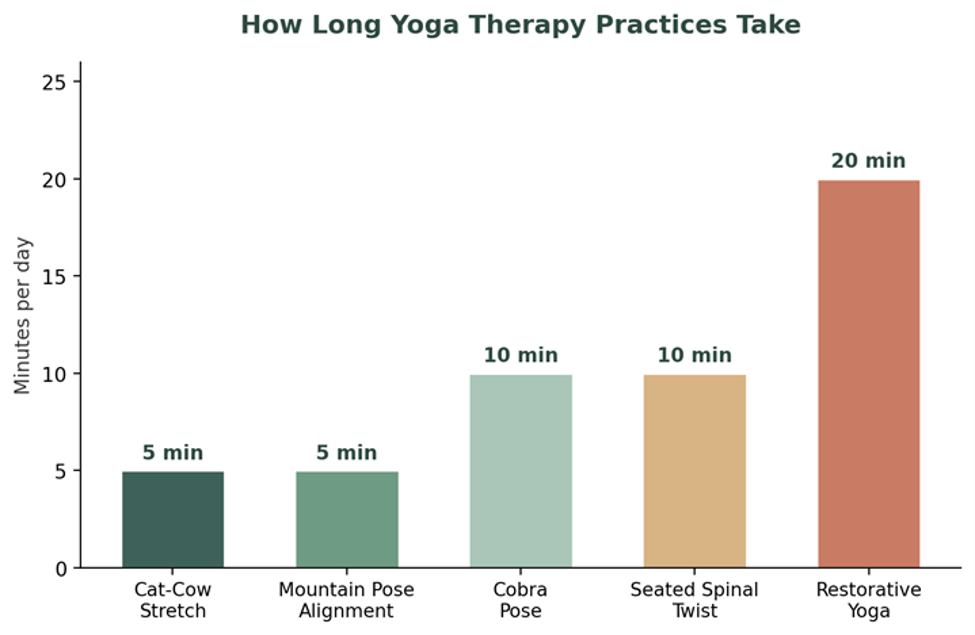
Chart 1: Common everyday causes behind poor posture

Knowing your main cause helps a yoga therapist decide where to start. Someone whose posture problems come mainly from long hours at a desk, for example, may benefit most from chest-opening poses and core strengthening, while someone dealing with general stiffness may benefit more from a slower, full-spine mobility routine.

5. Yoga Therapy in Daily Life: Simple Practices to Start With

You do not need a studio session to begin supporting your posture. Many of the same principles work well as short daily practices.

  • Do a few rounds of cat-cow stretch before you start your day.
  • Check in on your sitting posture every hour, and gently reset it.
  • Stand in mountain pose for a minute to reset your alignment head to toe.
  • Stretch your chest and shoulders after long periods at a screen.
  • End your day with a few minutes of restorative, supported stretching.

Chart 2: How much time common yoga therapy practices typically take

Small, consistent practices like these are usually more effective for posture than occasional, intense sessions. Most people begin to notice easier, more upright sitting within a few weeks of staying consistent.

6. Is Yoga Therapy Backed by Science?

Yoga therapy blends traditional postural practice with a growing body of modern research. Several of its core tools, including core strengthening, controlled stretching, and posture awareness training, are also recommended by physiotherapists for spine health.

Studies on yoga-based movement have shown encouraging results for reducing lower back discomfort and improving flexibility. That said, yoga therapy works best as a complement to medical care, not a replacement for it, particularly if you have a diagnosed spinal condition.

A Note on Safety

Yoga therapy is gentle, but that does not mean every pose suits every body. If you have a spinal injury, herniated disc, or ongoing back pain, work with a qualified yoga therapist who can adjust poses to your condition and coordinate with your doctor if needed.

7. Who Can Benefit From Yoga Therapy?

Because yoga therapy is personalised, it can support a wide range of people dealing with posture and spine concerns.

  • Office workers who spend long hours sitting at a desk
  • People with mild, ongoing back or neck discomfort
  • Anyone recovering from an injury under medical guidance
  • People who want to complement physiotherapy they are already receiving
  • Beginners who simply want to build better posture habits

Because every plan is built around the individual, yoga therapy can be adapted for almost any age or fitness level under the guidance of a qualified practitioner.

8. Frequently Asked Questions

Can yoga therapy fix years of bad posture?

It can meaningfully improve it. Yoga therapy will not change your posture overnight, but consistent practice retrains the muscles and habits behind it, and many people notice real improvement over weeks and months.

How is yoga therapy different from a regular yoga class?

A regular yoga class is usually general and group-based. Yoga therapy is one-on-one or small group, guided by an assessment of your specific posture and spine concerns, with poses chosen to match.

Is yoga therapy safe if I already have back pain?

In most cases, yes, when guided by a qualified yoga therapist who adapts poses to your condition. Always mention any diagnosed spinal issue before starting, so your plan can be adjusted safely.

How often should I practise for posture improvement?

Short, daily practice, even five to ten minutes, tends to bring better results than one long weekly session. Consistency matters more than duration.

How do I get started with yoga therapy?

The best first step is a postural assessment with a qualified yoga therapist. They will check your alignment and habits, then build a plan suited to you. At House of Nature Medical Center in Abu Dhabi, every journey begins with this kind of personalised assessment.

Start Your Healing Journey

Experience natural, holistic care with our DOH-licensed experts in Ayurveda, Chiropractic, Naturopathy, and more—right here in Abu Dhabi.