
How Naturopathy Helps Reduce Stress and Improve Wellbeing

House of Nature Medical Center in Abu Dhabi

Maybe your shoulders are tight before you even get out of bed. Maybe you are sleeping eight hours and still waking up tired, or you notice you are snapping at small things that never used to bother you. If any of that sounds familiar, your body may be telling you that stress has settled in for the long term.

Naturopathy offers a gentler way to work with stress instead of just pushing through it. Rather than treating a single symptom, it looks at your sleep, diet, movement, and daily habits together, and helps your body find its own balance again.

This guide explains what naturopathy is, how it helps reduce stress, and how you can start using it in your own routine, whether that means a full consultation or a few small changes at home.

Table of Contents

  1. What Is Naturopathy? A Quick Definition
  2. How Stress Affects Your Body and Mind
  3. Core Naturopathic Principles for Stress Relief
  4. Naturopathic Therapies That Help Reduce Stress
  5. Naturopathy in Daily Life: Simple Habits to Start With
  6. Is Naturopathy Backed by Science?
  7. Who Can Benefit From Naturopathy?
  8. Frequently Asked Questions

1. What Is Naturopathy? A Quick Definition

Naturopathy is a natural approach to health that uses diet, herbal medicine, lifestyle changes, and other drug-free therapies to support the body's own ability to heal. Instead of only treating symptoms, it looks for the root cause behind them, whether that is poor sleep, an unbalanced diet, or ongoing stress.

A naturopath does not see stress as something you simply have to live with. They see it as a signal that some part of your daily routine, whether physical, emotional, or nutritional, needs support. Treatment is built around your specific life, not a one-size-fits-all plan.

At House of Nature Medical Center in Abu Dhabi, our naturopathic team starts every consultation by understanding your full health picture, your stress levels, your habits, and your goals, before recommending any treatment.

2. How Stress Affects Your Body and Mind

Stress is not only a feeling. It is a physical response. When you feel under pressure, your body releases hormones such as cortisol and adrenaline, which raise your heart rate and prepare you to react quickly. This response is useful in short bursts, but many people now carry it for weeks or months at a time.

Left unmanaged, ongoing stress can affect nearly every system in the body. It can disturb sleep, slow digestion, weaken focus, and leave you feeling worn out even after rest. Naturopathy pays close attention to these early warning signs, because catching them early makes them far easier to reverse.

Area Signs of Ongoing Stress Signs of Balance
Sleep
Trouble falling or staying asleep
Falling asleep easily, waking rested
Digestion
Bloating, upset stomach, low appetite
Steady appetite, comfortable digestion
Mood
Irritability, racing thoughts, low patience
Calm focus, steady mood
Energy
Tired but wired, crashes in the afternoon
Consistent energy through the day

Table 1: Common signs your body shows when stress is building up, compared with signs of balance

3. Core Naturopathic Principles for Stress Relief

  • The body can heal itself. Naturopathy focuses on removing obstacles to healing and supporting the body’s natural processes.
  • Treat the root cause, not just the symptom. Poor sleep or low energy is treated as a clue, not just an inconvenience to mask.
  • Food and stress are linked. Blood sugar swings, caffeine, and poor nutrition can all make stress feel worse.
  • Prevention comes first. Daily habits are used to stop stress from building up, not only to manage it once it appears.
  • Care is personalised. Two people with the same stress symptoms may receive very different treatment plans, based on their lifestyle and health history.

4. Naturopathic Therapies That Help Reduce Stress

Naturopaths draw on a range of natural therapies to help calm the nervous system and rebuild your resilience to stress. Here are some of the most common ones used in practice.

Therapy What Happens How It Helps With Stress
Herbal Medicine
Plant-based remedies prescribed by a naturopath
Calms the nervous system and supports better sleep
Nutritional Therapy
A personalised eating plan built around your body’s needs
Steadies blood sugar and energy, which reduces mood swings
Hydrotherapy
Alternating warm and cool water treatments
Relaxes tense muscles and improves circulation
Massage & Bodywork
Hands-on therapy to release physical tension
Lowers stress hormones and eases muscle tightness
Lifestyle Counselling
One-on-one guidance on sleep, movement, and routine
Builds daily habits that keep stress from building up again

Table 2: Common naturopathic therapies used to support stress relief
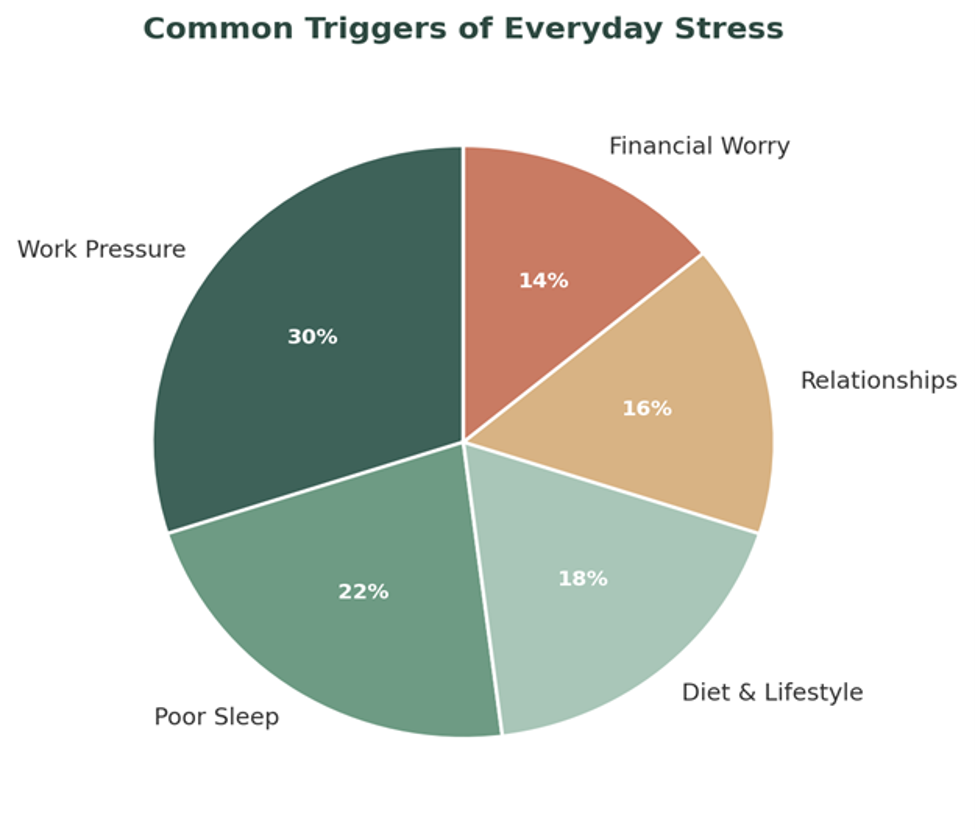
Common everyday triggers behind ongoing stress
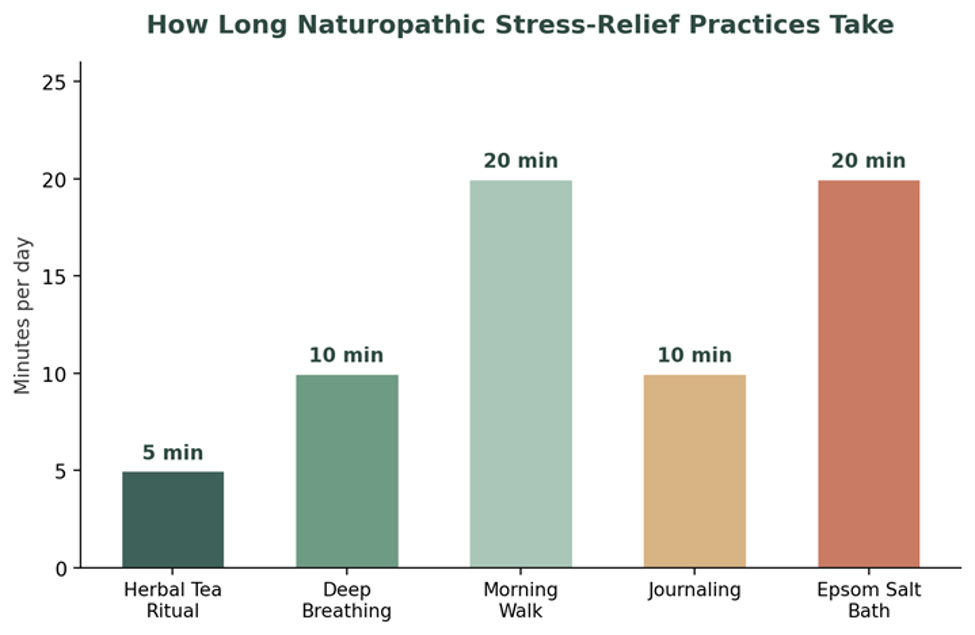
Chart 1: Common everyday triggers behind ongoing stress

Understanding your main stress trigger helps a naturopath choose where to start. Someone whose stress comes mainly from poor sleep, for example, may benefit most from herbal support and an evening routine, while someone dealing with financial or work pressure may benefit more from nervous system support and lifestyle counselling.

5. Naturopathy in Daily Life: Simple Habits to Start With

You do not need a clinic visit to start using naturopathic ideas. Many of the same principles work well as small daily habits.

  • Start your morning with warm water and a few minutes away from your phone.
  • Take a short walk outside, even ten minutes helps regulate your mood and energy.
  • Cut back on caffeine after midday so it does not disturb your sleep.
  • Practise slow, deep breathing for a few minutes when you feel overwhelmed.
  • Keep a consistent bedtime, since irregular sleep makes stress harder to manage.

Chart 2: How much time common stress-relief practices typically take

Small, consistent habits like these are often more effective over time than trying to overhaul your entire routine at once. Most people notice a difference within a few weeks of staying consistent.

6. Is Naturopathy Backed by Science?

Naturopathy blends traditional practices with an increasing body of modern research. Several tools it relies on, including mindful breathing, regular movement, and balanced nutrition, are also recommended by conventional medicine for managing stress.

Some herbs commonly used in naturopathic stress care, such as ashwagandha and chamomile, have been studied for their calming effects, with encouraging early results. That said, naturopathy works best as a complement to conventional medical care, not a replacement for it, particularly for diagnosed conditions.

A Note on Safety

Naturopathy uses natural methods, but that does not mean every therapy suits every person. Always speak with a qualified naturopath or your doctor before starting a new treatment, especially if you are pregnant, managing a chronic condition, or taking prescription medication.

7. Who Can Benefit From Naturopathy?

Because naturopathic care is personalised, it can support a wide range of people who are dealing with stress in different ways.

  • Professionals juggling long hours and constant deadlines
  • People experiencing stress-related sleep or digestion issues
  • Anyone looking for a natural, whole-person approach to feeling calmer
  • People who want to complement medical treatment they are already receiving
  • Beginners who simply want practical, sustainable habits for daily life

Because every plan is built around the individual, naturopathy can be adapted for almost any age, lifestyle, or stress level under the guidance of a qualified practitioner.

8. Frequently Asked Questions

Can naturopathy really reduce stress, or does it just help you relax?

Both. Many naturopathic therapies do help you relax in the moment, but the bigger goal is to support your nervous system and daily habits so that stress has less impact on your body over time.

How long does it take to notice a difference?

Many people notice small improvements, such as better sleep or a calmer mood, within a few weeks of consistent naturopathic care. Deeper, long-term changes usually take longer and depend on your starting point.

Do I need to change my whole diet to manage stress naturally?

No. Most naturopaths recommend gradual, practical changes rather than a complete diet overhaul. Small, sustainable adjustments are usually easier to stick with and just as effective.

Is naturopathy safe to use alongside my regular medication?

In most cases, yes, but you should always tell your naturopath about any medication you take. They can adjust your plan and coordinate with your doctor if needed.

How do I get started with naturopathy for stress?

The best first step is a consultation with a qualified naturopath. They will review your health history, lifestyle, and stress levels, then build a plan suited to you. At House of Nature Medical Center in Abu Dhabi, every journey begins with this kind of personalised assessment.

Start Your Healing Journey

Experience natural, holistic care with our DOH-licensed experts in Ayurveda, Chiropractic, Naturopathy, and more—right here in Abu Dhabi.