
Ayurvedic Diet: A Practical Guide to Eating for Balance and Healing
What to eat, what to avoid and when, based on your dosha and the Ayurvedic way of eating with awareness.
In this article
In Ayurveda, food is not just fuel, it is life-giving medicine. Every bite you take influences your dosha balance, your digestion (agni) and your overall health.
Eating With Awareness, the Ayurvedic Way
An Ayurvedic diet isn't one-size-fits-all. It is a personalized way of eating based on your body type (Vata, Pitta or Kapha) and seasonal changes, designed to bring balance, clarity and vitality.
Let's explore what Ayurveda recommends you eat, what to avoid, and the best times to eat.
What to Eat in an Ayurvedic Diet
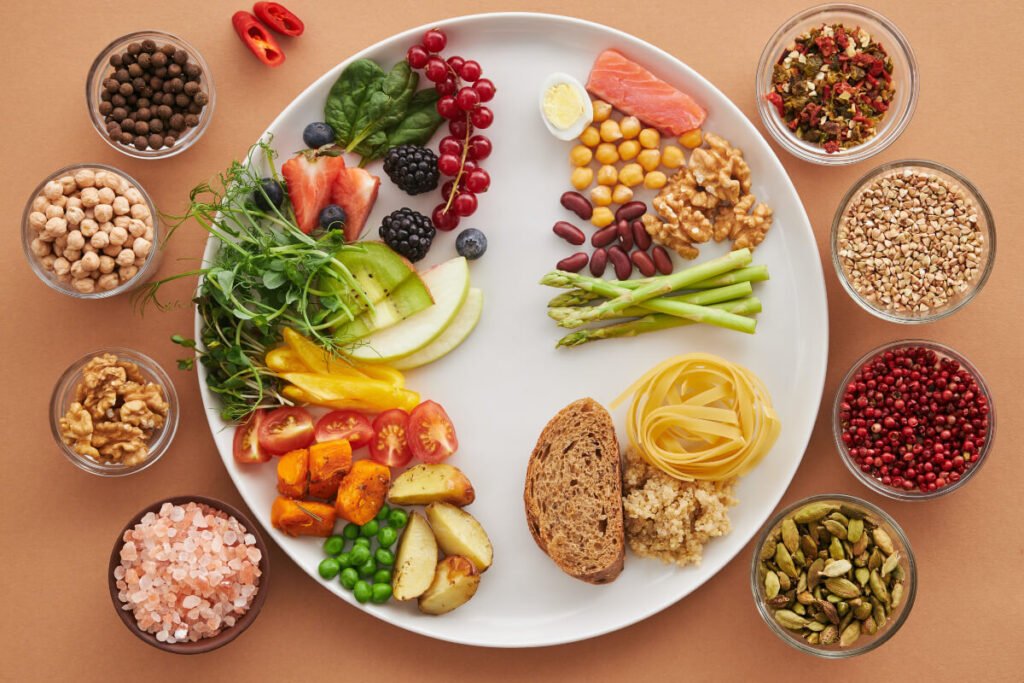
Ayurveda favors fresh, seasonal, natural foods that are easy to digest and align with your dosha.
General foods to include
Fruits: ripe bananas, apples, berries, dates, figs
Vegetables: cooked leafy greens, zucchini, carrots, sweet potato
Whole grains: basmati rice, quinoa, oats, barley
Legumes: mung beans, lentils, chickpeas (well-cooked)
Healthy fats: ghee, sesame oil, coconut oil
Spices: ginger, turmeric, cumin, fennel, coriander
Herbal teas: CCF tea (cumin, coriander, fennel), tulsi tea

Fresh, seasonal and well-cooked foods are the foundation of an Ayurvedic diet.
What to Avoid in Ayurveda
Ayurveda warns against foods that dull digestion, create toxins (ama) or imbalance your dosha.
Common foods to avoid
Processed or canned food
Cold or iced drinks, which weaken your digestive fire
Leftovers and reheated food
Deep-fried or oily fast food
Red meat and overly spicy dishes
Refined sugar and artificial sweeteners
Excess caffeine or carbonated beverages

Foods that dull digestion and create toxins (ama) are best avoided.
Want a diet plan made for you?
Book an Ayurvedic consultation at House of Nature Medical Center in Abu Dhabi.
When to Eat: Ayurvedic Timing Rules
Ayurveda also emphasizes when you eat, because timing affects digestion just as much as the food itself.
Breakfast
7:00 – 9:00 AM
Light, warm, grounding foods to start your day.
Lunch
12:00 – 1:30 PM
Strongest digestion, so this is the heaviest meal of the day.
Dinner
6:00 – 7:30 PM
Light and easy to digest, ideally eaten before sunset.
Golden rule
Eat only when you are truly hungry, not out of habit or emotion.
Ayurvedic Diet by Dosha (Vata, Pitta, Kapha)
Your dosha shapes which foods balance you best. Here is a quick guide to each type.

Vata, Pitta and Kapha: the three doshas that guide an Ayurvedic diet.
Vata
Needs: warm, grounding, moist foods
Best: cooked grains, root vegetables, soups, warm milk
Avoid: cold salads, dry snacks, carbonated drinks
Pitta
Needs: cooling, calming foods
Best: cucumber, mint, coconut, basmati rice
Avoid: spicy food, sour fruit, vinegar, red meat
Kapha
Needs: light, dry, warming foods
Best: barley, apple, beans, leafy greens, turmeric
Avoid: dairy, sweets, fried food, heavy meats
How House of Nature Can Help You
Our DOH-licensed Ayurvedic doctors in Abu Dhabi create personalized Ayurvedic diet plans after assessing your:
• Dosha constitution
• Current imbalances
• Lifestyle and health goals
Whether you are dealing with digestive problems, weight gain, hormonal imbalances or chronic fatigue, the right diet can support your recovery.
Your healing starts with your plate. Book a consultation at House of Nature Medical Center in Abu Dhabi to get an Ayurvedic diet plan built around you.
Dr. Nikita Ravi
Ayurvedic Practitioner
Ayurvedic practitioner at House of Nature Medical Center in Abu Dhabi.
Related articles
More reading from our doctors.
Book Your Consultation
Tell us how we can help and our team will call you back to arrange your appointment.
✓ DOH-licensed doctors
✓ Personalised treatment plans
✓ Call us: 02 585 7580